
Florida pre-construction opportunities don’t follow a random pattern. Timing, supply, and structural demand create a clear rhythm that shapes value over years—not weeks. Knowing how to read phase-based pricing, absorption rates, and infrastructure signals lets you position capital with intention in South Florida’s development pipeline. This guide breaks down those dynamics so you can approach Miami pre-construction with measured insight, not guesswork. For more insights, visit Tatiana Rod’s official site.
Timing in Florida Pre-Construction

Understanding how timing influences Florida pre-construction opportunities begins with phase-based pricing. This section will guide you through strategic considerations that impact your investment outcomes.
Understanding Phase-Based Pricing
Phase-based pricing isn’t an arbitrary concept. It’s a structured approach that reflects the development cycle. When you secure pre-construction units early, you typically access lower price points. As a project progresses, prices often rise in increments. This escalation is not just about demand; it’s about risk mitigation for developers and initial investor confidence. By entering early, you can capitalize on price advantages that diminish as phases advance. Observing how previous projects have evolved can offer valuable insights into potential pricing patterns.
Decoding Inventory Release Schedules
Inventory release schedules reveal more than availability. They provide insight into a developer’s confidence and market conditions. Typically, developers release units in stages, starting with a limited offering to gauge demand. If early releases sell quickly, subsequent phases may come at higher prices. Understanding these schedules allows you to anticipate changes and act strategically. Successful investors monitor these phases closely, assessing both the pricing trends and the rate of sales to inform their decisions.
Long-Term Real Estate Timing Strategy
A long-term timing strategy is essential for sustainable investment. It involves a careful analysis of market cycles, economic indicators, and infrastructural developments. While short-term gains can be tempting, aligning your entry with broader economic and infrastructural momentum ensures resilience. A strategic approach considers how upcoming projects might influence your asset’s future value. This involves reading market signals and anticipating growth corridors where infrastructure and demand are likely to rise.
Supply Dynamics in South Florida

Timing isn’t the only factor. Understanding supply dynamics in South Florida’s development pipeline is crucial. These dynamics include pipeline visibility and absorption rates, which we’ll explore next.
Pipeline Visibility and Absorption Rates
Pipeline visibility provides a glimpse into future supply, helping you align your strategy with market potential. Absorption rates, the speed at which available properties are sold, indicate market health. High absorption rates suggest strong demand, while lower rates might indicate market saturation or economic uncertainty. Analyzing these metrics helps you gauge whether a project is likely to succeed before committing capital. Informed investors use this data to position themselves advantageously within the market.
Impact of Infrastructure Corridors
Infrastructure corridors significantly influence property value. New roads, transit systems, or commercial hubs can transform an area, attracting both residential and commercial interest. Monitoring these developments is essential. Properties near infrastructural advancements often see enhanced value over time. Understanding where infrastructure is expanding allows you to anticipate market shifts and invest in areas poised for growth. This foresight can make a substantial difference in long-term profitability.
Monitoring Deliverable Inventory
Deliverable inventory refers to the properties that are ready for sale or lease. Keeping an eye on this inventory helps you understand market supply levels. If deliverable inventory is high, it might signal potential oversupply, affecting property values. Conversely, limited inventory can drive prices up due to scarcity. By observing fluctuations in deliverable inventory, you can better time your acquisitions and anticipate price trends.
Structural Demand Insights
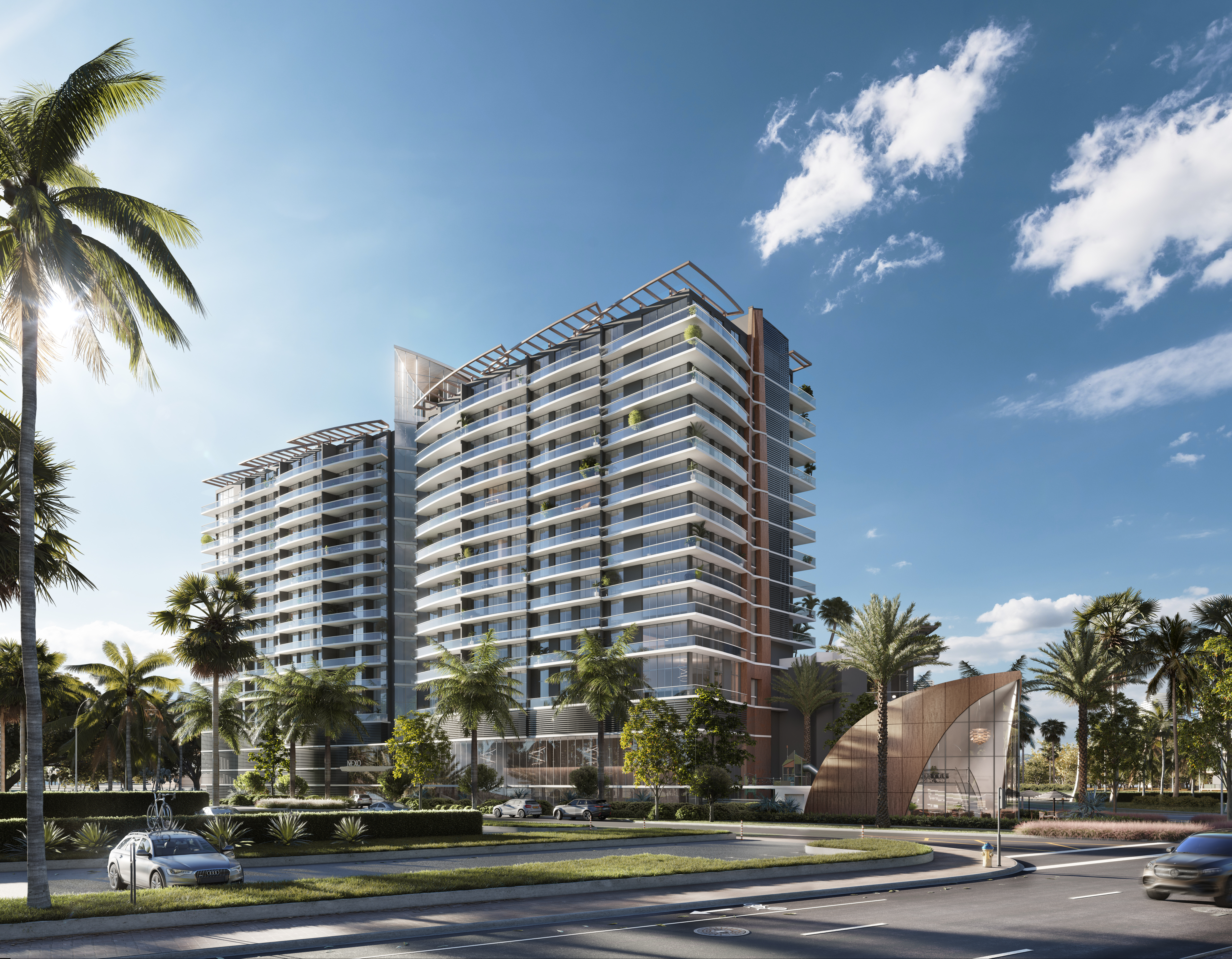
Beyond timing and supply, understanding structural demand in South Florida is key. This includes capital inflows and infrastructure growth, particularly in Miami’s financial district and Brickell.
Capital Inflows and Infrastructure Growth
Capital inflows have a direct impact on real estate demand and pricing. Areas witnessing significant infrastructure growth often attract more investment. Assessing how capital is flowing into certain areas helps forecast demand. For instance, new infrastructural projects might draw businesses and residents, boosting local economies. Observing these patterns allows you to strategically place your investments to benefit from increased demand and appreciation.
Evaluating Miami Financial District and Brickell
The Miami financial district and Brickell are pivotal to South Florida’s real estate landscape. Known for their dynamic growth, these areas attract both local and international investors. Evaluating these districts involves analyzing factors like job growth, infrastructure projects, and economic trends. Properties here often promise higher returns due to sustained demand. By focusing on these growth drivers, you position yourself to capitalize on Miami’s economic momentum.
Strategic Positioning in Edgewater and Fort Lauderdale
Edgewater and Fort Lauderdale present unique opportunities for strategic positioning. These areas are witnessing significant development, from residential to commercial projects. Strategic positioning here involves understanding the area’s growth trajectory and aligning your investments with future demand. Whether it’s proximity to commercial hubs or lifestyle amenities, these factors enhance property appeal. By strategically positioning in these burgeoning markets, you align your capital with long-term growth potential.
For more insights on these dynamics, check out Tatiana’s LinkedIn post.
Receive the current Florida positioning brief.