
Florida real estate strategy requires more than spotting a property on a map. You need to read the signals infrastructure corridors send, understand how pricing phases unfold over 36 months, and position capital with deliberate timing. This approach turns complex data into clear entry, hold, and exit steps tailored for Miami real estate analysis and South Florida infrastructure trends. Let’s break down how to translate these patterns into confident decisions aligned with your long-term vision. For more insights, visit Properties By Tatiana.
Infrastructure Signals
Understanding the infrastructure beneath Florida’s real estate can reveal crucial investment signals. Infrastructure shapes growth and determines where opportunities lie.
South Florida Infrastructure Insights
In South Florida, infrastructure isn’t just about roads; it’s the veins of economic activity. You might notice how major highways and transit hubs drive development. Real estate prices often rise near these corridors. A useful tip: look at areas with upcoming infrastructure projects, as they can often predict where the next real estate hotspots will be. Consider how the new Brightline stations have boosted surrounding property values.
Infrastructure Corridor Map Analysis
Mapping these corridors is essential for strategic positioning. By examining maps, you can spot patterns and predict future growth. For example, the Brickell financial corridor’s expansion is key for commercial investments. Areas connected by efficient transit are likely to see increased demand. It’s about seeing the potential before others do, not just the current state. For more on infrastructure impacts, check out this detailed analysis.
Timing Phases

Timing in real estate is about understanding when to act for the best return. The right timing can transform an average investment into a great one.
Pre-Construction Pricing Phases
Pre-construction offers unique pricing phases that savvy investors can leverage. Early entry often means lower prices, but it requires a keen eye for market signals. Developers release units in stages, with prices typically rising as milestones are met. Understanding this phase-based approach allows you to capitalize on lower initial prices while anticipating future appreciation.
Absorption Rates in Miami
Absorption rates tell you how quickly homes are selling compared to how many are available. In Miami, these rates can indicate market health. High absorption means demand outpaces supply, often leading to price increases. Conversely, if absorption slows, it might suggest a cooling market. Keeping an eye on these rates helps you time your entry and exit effectively. Read more about current trends in this LinkedIn post.
Capital Positioning
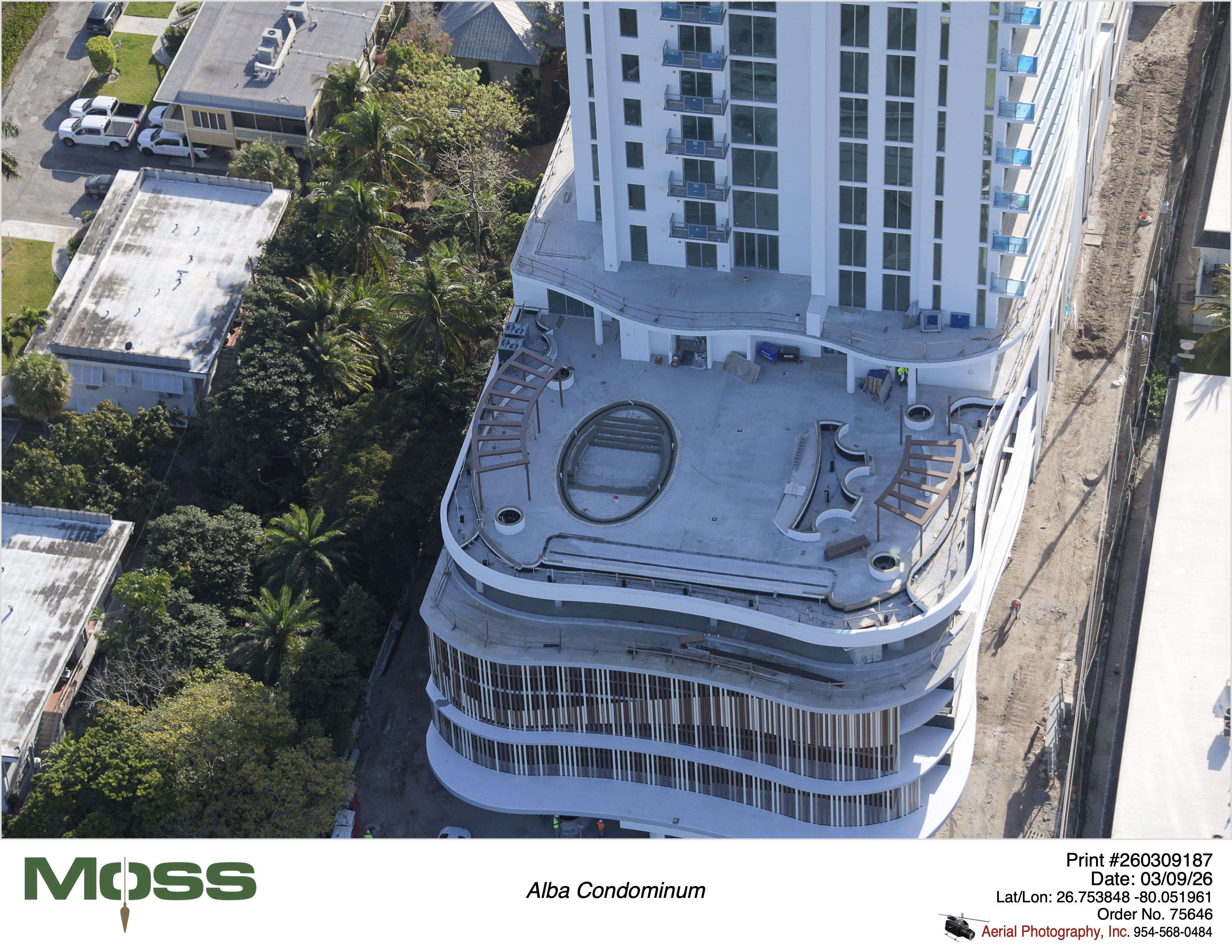
Positioning your capital strategically is crucial for maximizing returns. This means knowing not just where, but how to invest.
Capital Sequencing Strategies
Sequencing your capital involves planning investments over time for optimal impact. For example, you might start with smaller investments and reinvest profits into larger projects. This approach allows for growth while managing risk. Understanding the local economic cycle helps in planning these sequences effectively.
EB-5 Investment Framework
The EB-5 program offers a pathway to U.S. residency through investment, often in real estate projects that create jobs. It’s a disciplined way to position capital while gaining significant personal benefits. Be sure to understand the compliance requirements and job creation metrics. This framework is not just about investment; it’s about strategic positioning that aligns with long-term goals. For more insights from Tatiana, visit this Instagram post.
In conclusion, evaluating Florida’s real estate involves careful analysis of infrastructure, timing, and capital strategies. By understanding these elements, you can make informed decisions that align with your strategic goals.